Motivating Aging Adults to Embrace Exercise Through Comprehensive Workout Protocols
Wiki Article
Keeping active is essential for adults of every age group, but it becomes especially significant as persons grow older. For elders, consistent exercise helps maintaining independence, improves mobility, and enhances overall well-being. Detailed exercise guidelines offer seniors with structured methods to fitness that address coordination, range of motion, strength, and stamina. By following professionally developed fitness programs, elders can enhance their daily function while reducing the likelihood of falls, health conditions, and cognitive decline.
Physical fitness for aging individuals is not limited to intense workouts or intense exercise regimens. It focuses instead on low-impact, steady, and maintainable movement that suits individual fitness conditions. Exercises such as leisure walking, flexibility drills, gentle yoga, and light resistance training assist maintaining joint flexibility and firmness. Aerobic workouts like aqua aerobics or recumbent cycling boost heart health, which are important for sustaining physical endurance and vitality. These physical practices also promote brain health, as research have shown that consistent activity can boost recall, outlook, and mental performance.
Holistic fitness recommendations prioritize a balanced method to wellness, covering muscular, emotional, and community dimensions of health. Older adults are guided to start gradually and advance at a manageable speed, maintaining injury prevention while avoiding strain. Adding warm-up and cool-down routines reduces muscle soreness, while appropriate water consumption and diet enhance physical activity. Additionally, group fitness environments—such as community walking clubs or community walking programs—offer avenues for companionship, engagement, and emotional support, which are crucial to overall health.
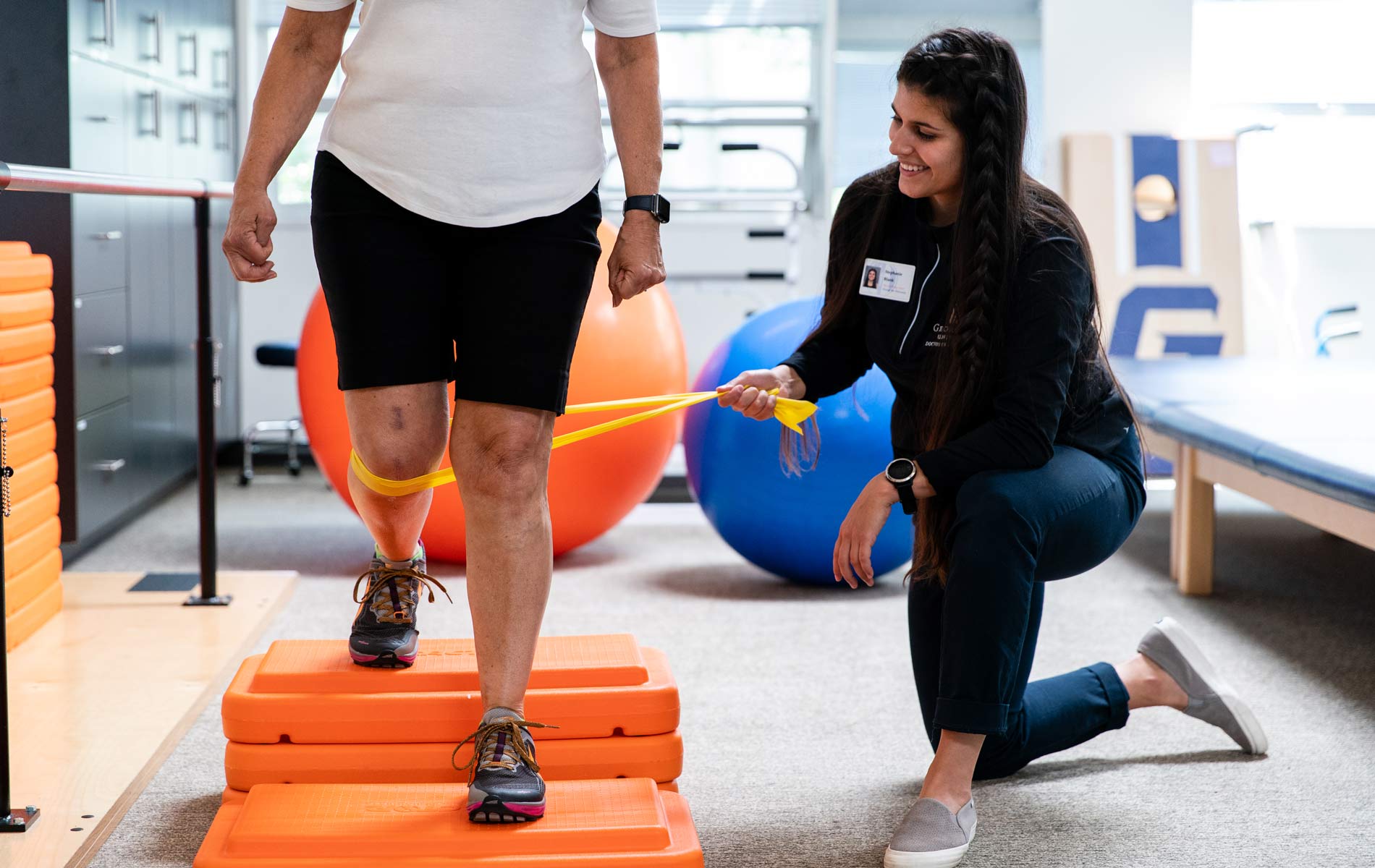
Expert assistance serves a important role in assisting seniors develop customized training schedules. Consulting healthcare providers, rehabilitation specialists, or exercise professionals ensures that programs are adapted to personal requirements, physical capabilities, and targets. These professionals can design safe training methods that account for elements such as mobility concerns, osteoporosis, or heart health concerns. Through regular evaluation and go to website adjustment, training programs remain effective and motivating, promoting sustained adherence and achievement.
Overall, enabling seniors to embrace exercise through inclusive training recommendations builds a community of lifelong movement. When participants you could look here are supplied with knowledge, motivation, and structured support, they develop assurance in their strength and experience greater autonomy. Sustained fitness improves not only muscle capacity but also focus and well-being. By prioritizing inclusive, well-guided fitness programs, communities can help that every senior has the opportunity to live a healthy, active, and fulfilling journey.